Media & Speaking
Translating trauma research into accessible conversations and real-world action.
Keynotes • Speaking • Interviews • Podcasts
Trauma Science for Real People
Most trauma science never reaches the people who need it.
Academic research often lives behind paywalls; dense, inaccessible, and disconnected from real life. Survivors and communities are left navigating misinformation and “wellness” trends without evidence.
People deserve better.
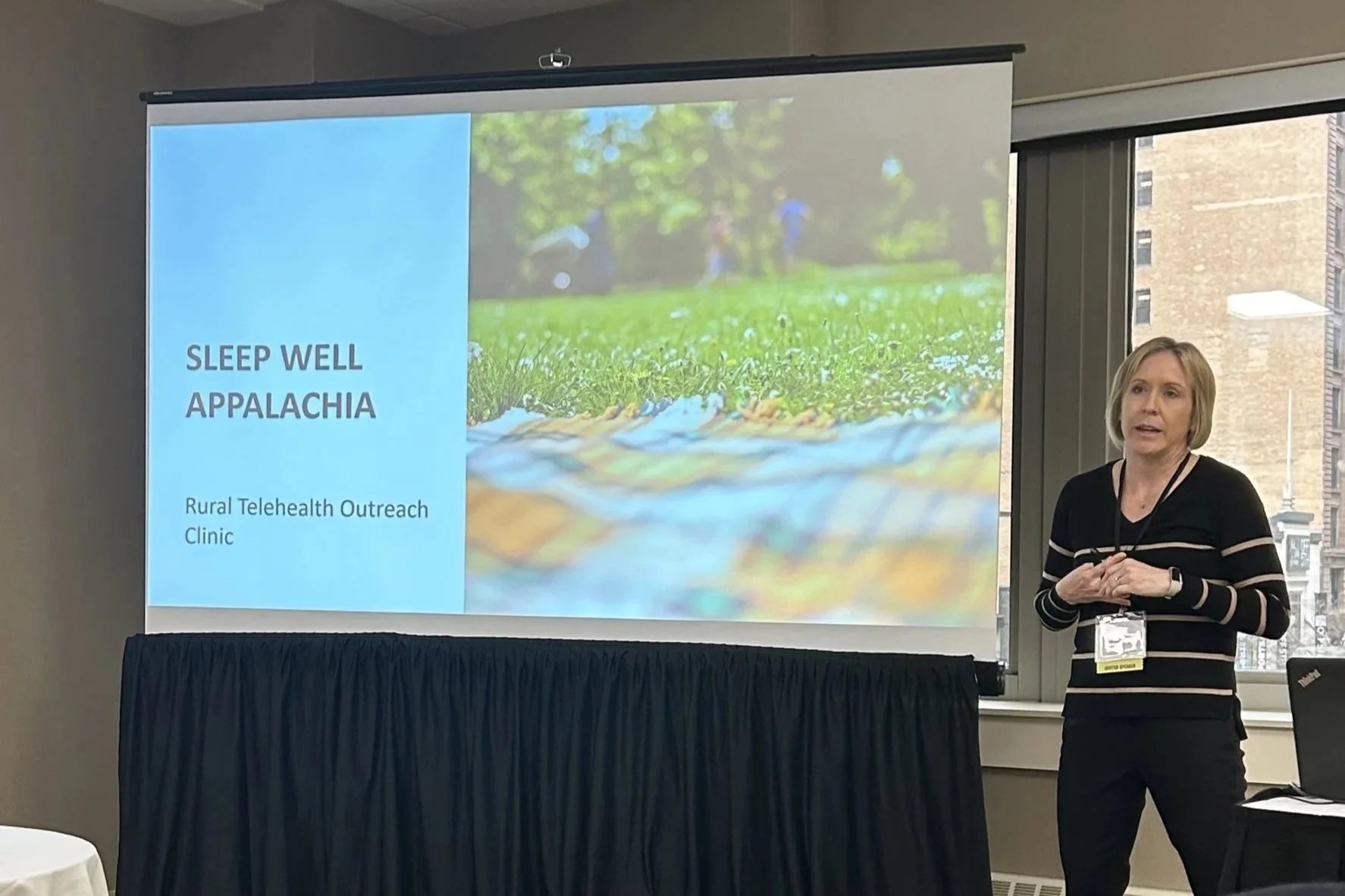
I use podcasts, interviews, and public speaking to translate trauma science into clear, compassionate, and practical conversations. I share these tools with audiences around the U.S. and internationally.
My mission is simple:
To make evidence-based information accessible to the people it’s meant to serve.
Featured Speaking Topics
Trauma Science for Real People.
How trauma affects the brain, body, memory, and behavior — without jargon.
1
Ideal audience: community groups, universities, students, survivors, general public, non-clinical audiences
Audience learns:
• What trauma actually is (and isn’t)
• How trauma shows up in daily life
• Practical ways to support survivors with compassion
Understanding PTSD Beyond the Myths.
Debunking misconceptions about PTSD to replace fear with understanding.
2
Ideal audience: educators, first responders, military/veteran organizations, healthcare teams, conference attendees
Audience learns:
• What PTSD looks like beyond Hollywood
• What evidence-based treatment involves
• How recovery happens — hope, not hopelessness
Rape Culture, Shame & Healing.
(based on TEDx talk)
A candid keynote on sexual trauma, shame, cultural narratives, and pathways to recovery.
3
Ideal audience: schools, universities, educators, parents, student groups, community leaders, faith communities, anyone seeking to understand and prevent harm
Audience learns:
• How shame keeps people silent
• Language that supports survivors rather than blames them
• What real healing and validation can look like
Trauma-Informed Organizations & Supportive Systems
How workplaces, schools, and community programs can support people impacted by trauma without burnout, guesswork, or sacrificing productivity.
4
Ideal audience: leadership teams, universities, workplaces, educators, HR/wellness programs, nonprofits, first responders, community organizations
Audience learns:
• What trauma-informed care looks like in real practice
• Policies and culture shifts that reduce harm and increase safety
• How supportive systems can enhance performance, retention, and well being
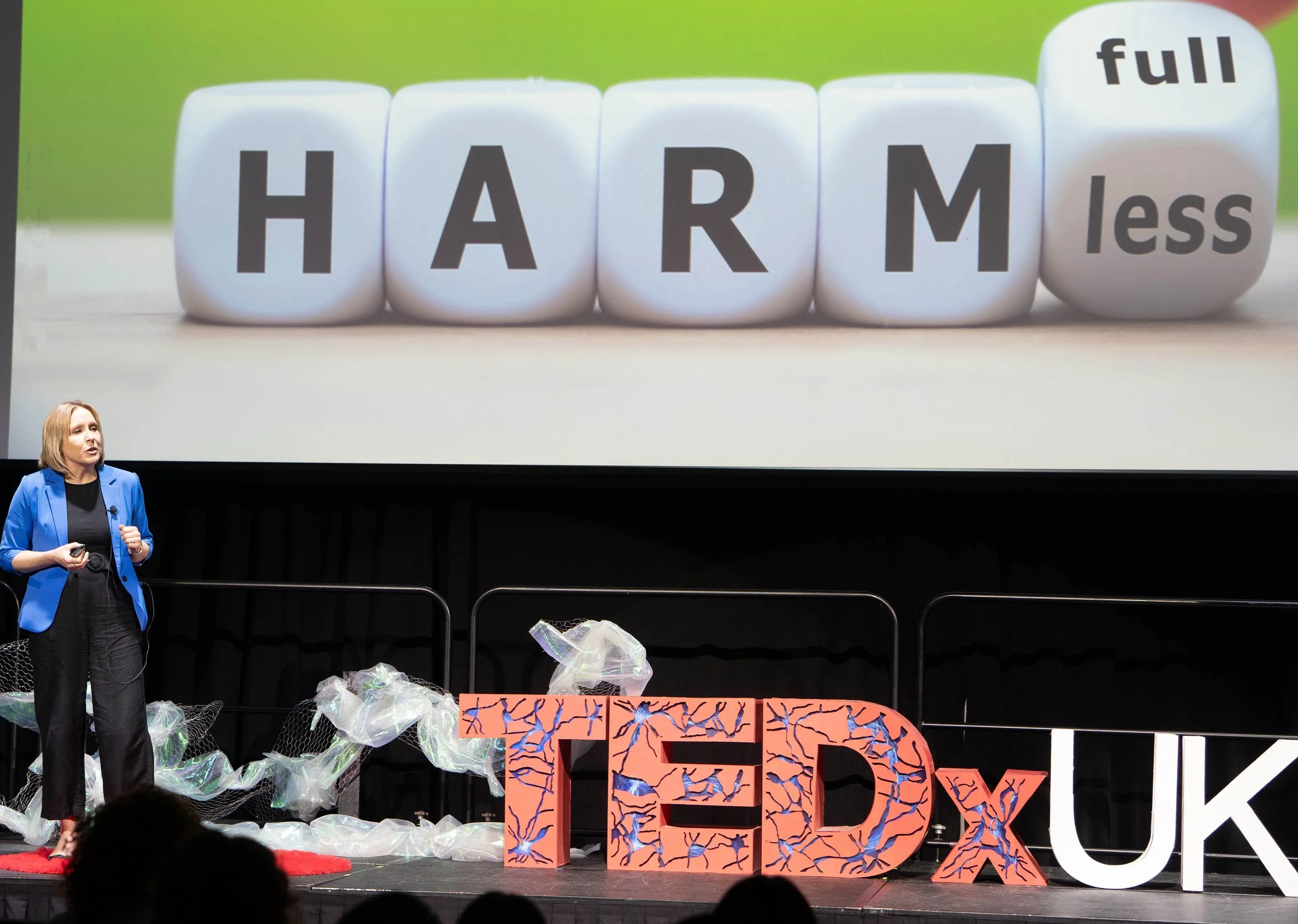
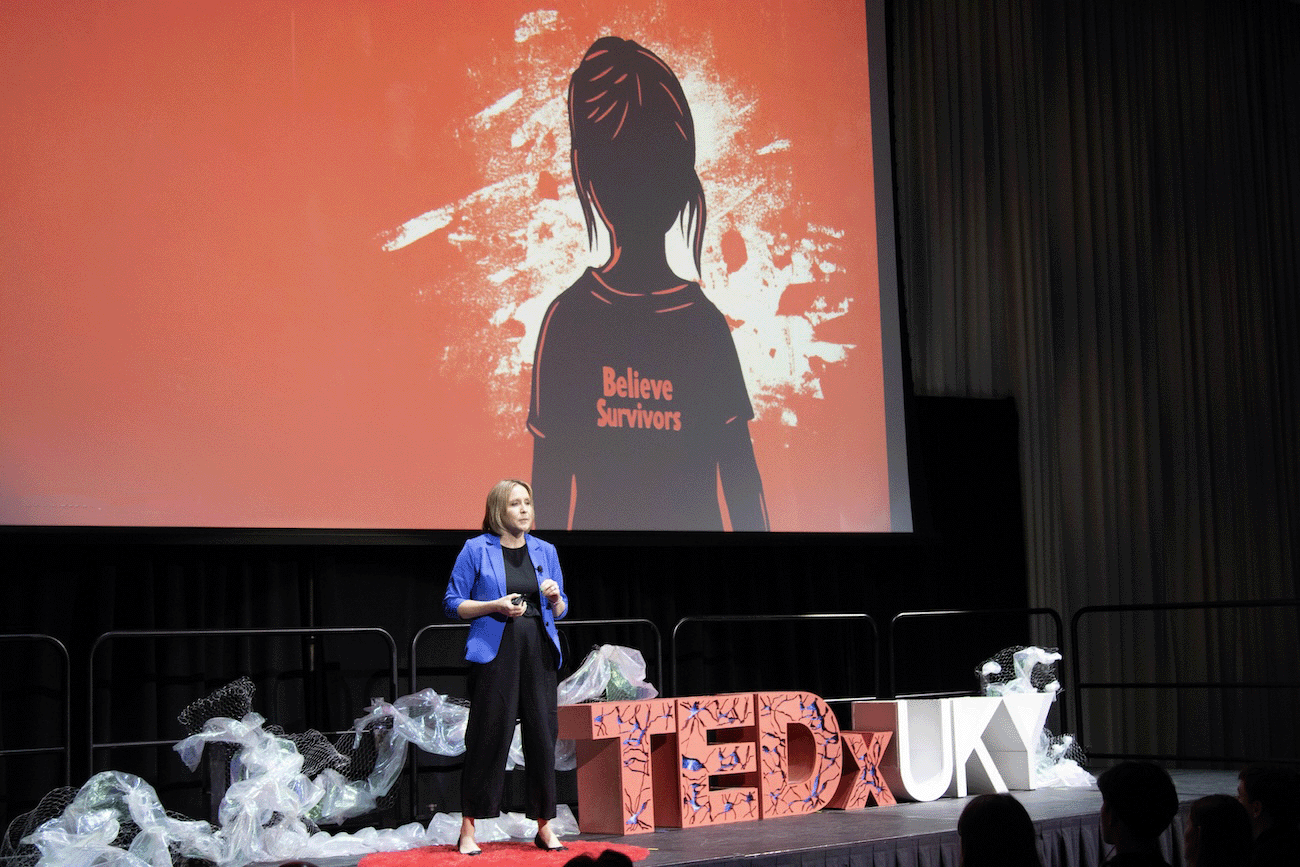
TEDx: Rape Culture, Shame, & Healing.
TEDx talk:
Rape culture isn’t invisible—we’ve just been trained not to see it.
In this talk, Dr. Badour explores how rape culture shapes the everyday lives of survivors, and what must change for healing to begin.
Speaking Engagements and Partnerships






Featured Podcast Appearances



Selected Media Highlights

Psychologist discusses effects of disasters on mental health

Natural disasters like Kentucky’s recent flooding can also impact victims’ mental health.
Medical News: Why some Kentuckians sleep less than others
Where you live can deeply influence how well you sleep. In this segment, we talk about research on why Eastern Kentucky, one of the highest-risk regions for insufficient sleep in the U.S., is so affected. We explore how neighborhood conditions shape sleep health and what communities can do to help people rest better.
News fatigue and mental health
The news is hard to tune out, even when we want to. And we each draw our own line between being an informed citizen and being overwhelmed by news fatigue. On this episode, we talk about finding where that line is for you, and how to take care of your mental health when the news starts to feel like too much.
Listen →
Ready to Bring Evidence-Based Trauma Science
to Your Audience?
Virtual and in-person events available.
Beyond research and evaluation, Dr. Badour works directly with survivors, communities, and frontline providers to bring trauma science into real practice. Her trainings help clinicians, agencies, and rural programs gain the tools they need to support survivors with clarity, compassion, and evidence-based care.