

Insights from Science for Survivors
Here, we translate psychological science into real-world understanding.

Why Trauma Makes Sleep so Hard (and What Actually Helps)
Trauma can make sleep feel impossible. When the nervous system is stuck in survival mode, falling asleep, staying asleep, and calming nighttime anxiety become a daily battle. This post explains why trauma disrupts sleep and offers practical, science-based steps to help your brain body relearn how to rest.

What Science-Based Trauma Recovery Really Means
In a world overflowing with quick fixes for trauma, it’s hard to know what truly works. Science-based recovery is more than a trend — it’s grounded in proven methods, guided by trained professionals, and tailored to each person’s needs. This post explores how evidence-based approaches, from trauma-focused therapy to present-focused coping skills, create safer and more effective paths to healing.

Because Words Matter: On Choosing the Name Science for Survivors
The name Science for Survivors isn’t just a title — it’s a statement of purpose. This post shares why language matters, how the word “survivor” fits (and sometimes doesn’t), and why I’m committed to bringing evidence-based, trauma-informed care to all people who are navigating trauma recovery.
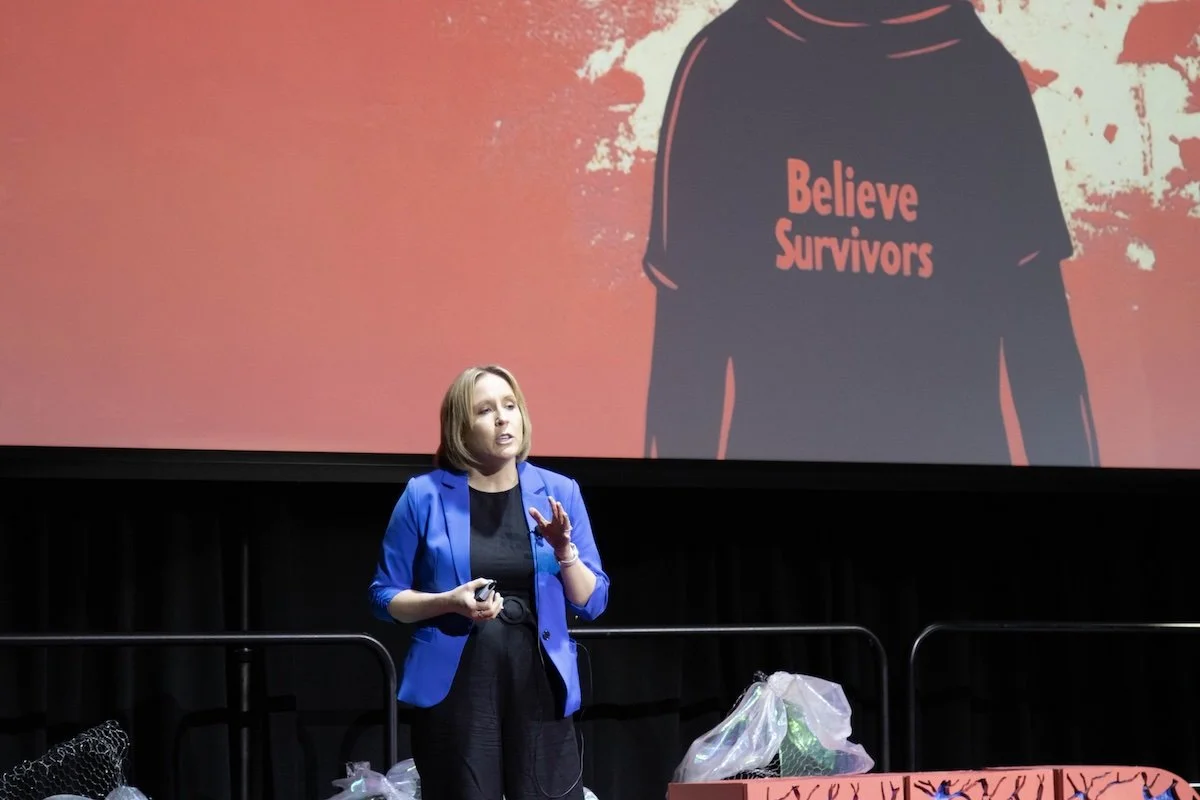
Science for Survivors: Where Evidence Meets Empowerment
Science for Survivors was born from a deep frustration: watching good care exist while people couldn’t access it, and seeing misinformation go viral while evidence stayed locked in journals. This space is for survivors, providers, and anyone seeking grounded, science-based guidance on trauma recovery — not just trending content.